
Technical translation services
Technical Translation for Engineering, Manufacturing and Product
Translate manuals, specifications, engineering documents and product information with linguists who understand the subject matter.
Textsprime supports specialized technical content across manufacturing, engineering, electronics, energy, software and other complex fields.
230+
languages
30,000+
linguists
Since 2002
global delivery
Request A Quote
We will reply within 15 minutes.
Request a technical translation quote
Share the essentials. A representative file is enough for an initial review.
Service overview
What Is Technical Translation?
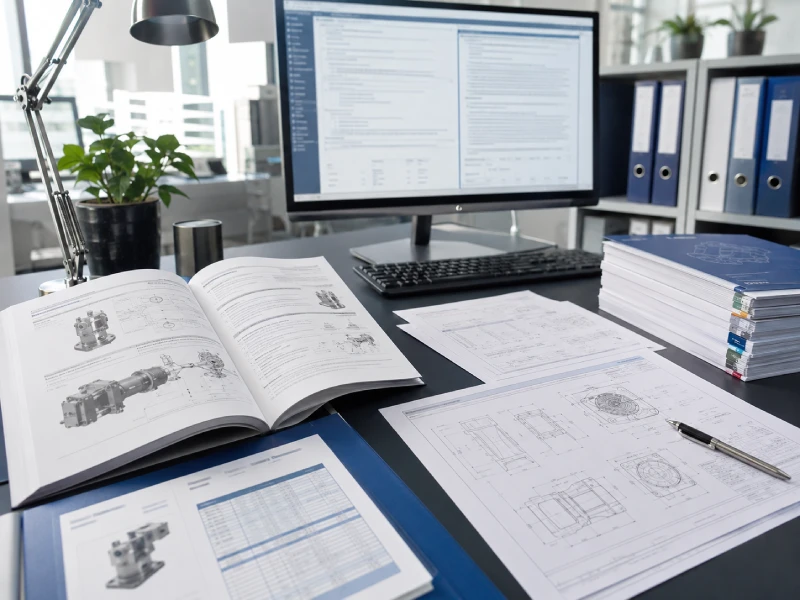
Technical translation covers content with specialized terminology, operating instructions, specifications, measurements or safety information. It requires language expertise and subject-matter understanding.
Accuracy
Procedures, measurements, symbols and technical meaning remain precise.
Terminology consistency
Approved terms stay aligned across files, products and versions.
Safety and compliance
Warnings and regulated content receive careful specialist review.
Usability
Operators, engineers, installers and customers can use the translated content clearly.
Specialized content support
Technical Documents We Translate
From product instructions to engineering documentation, workflows are configured around the content, audience and delivery format.
User Manuals & Operating Instructions
User manuals, operator guides, quick-start guides and instructions for safe and correct product use.
Installation & Maintenance Documents
Installation procedures, service documentation, maintenance schedules and troubleshooting content.
Technical Specifications
Datasheets, technical parameters, product specifications, standards and component information.
Engineering Documents
Engineering reports, drawings, process documents, test documentation and manufacturing references.
Safety & Compliance Documents
Safety instructions, compliance documentation, certification materials and regulated technical content.
Technical Training Materials
Training manuals, e-learning content, presentations and technical learning resources.
Product & Parts Documentation
Parts catalogues, product sheets, component descriptions and after-sales documentation.
Technical Brochures
Product marketing materials that require technical accuracy and clear market-facing language.
Standard Operating Procedures
SOPs, work instructions and controlled process documentation for multilingual operations.
Global language coverage
Technical Translation in 230+ Languages
Textsprime supports more than 800 language pairs. Linguists are selected according to the language pair, technical field, file type and project requirements.
Discuss Your LanguagesIndustry-specific expertise
Industries We Serve for Technical Translation
Specialist linguists and reviewers are matched to the technical subject, terminology and risk profile of each project.
Manufacturing & Engineering
Production processes, equipment names, measurements, safety instructions and supply-chain documentation.
Automotive & Transportation
Vehicle systems, components, maintenance procedures, safety language and technical parameters.
Technology & Software
Software documentation, interfaces, help content, developer materials and product terminology.
Healthcare & Medical
Medical device instructions, safety-related language and controlled professional communication.
Life Sciences & Pharmaceuticals
Clinical, regulatory, laboratory and pharmaceutical documentation requiring specialist review.
Legal, Patent & Compliance
Patents, certification documentation, regulated content and compliance-sensitive technical files.
Banking, Finance & Insurance
Fintech terminology, regulated communications, currency validation and secure handling.
Telecommunications
Network documentation, hardware specifications, service guides and technical support content.
Gaming & Interactive Entertainment
Technical game documentation, platform content, support materials and multilingual production assets.
FROM FILE REVIEW TO FINAL DELIVERY
Our Technical Translation Process
A controlled workflow keeps terminology, technical meaning, formatting and deliveryrequirements aligned.
Scope & Plan
Review files, languages, technical risks, quality level and delivery expectations.
Prepare Assets
Confirm terminology, references, translation memory, file extraction and formatting needs.
Translate
Assign subject-matter linguists and use approved language technology where appropriate.
Review & QA
Check terminology, numbers, units, warnings, layout, tags and functional readability.
Validate & Deliver
Complete final format checks, client review updates and reusable language assets.

Quality, consistency and reuse
Technology That Supports Technical Linguists
Language technology improves capacity and consistency while human technical review protects accuracy, usability and context.
Terminology Management
Approved terms, product names and component terminology remain consistent.
Translation Memory
Previously approved translations can be reused across revisions and recurring documentation.
Automated Translation QA
Numbers, units, punctuation, tags and formatting issues are checked systematically.
Technical MTPE & Editing
Machine translation output is post-edited and reviewed when suitable for the project.
Cloud-Based Project Management
Files, instructions, assignments and approvals remain organized in one workflow.
Secure Data Handling
Access and delivery methods are selected according to project confidentiality requirements.
Flexible file support
Supported File Types & Formats
Editable source files help protect layout and reduce manual preparation. We can also assess complex, scanned or production-ready files.
Source file types
Text & Office Documents
DOCX, XLSX, PPTX, TXT, CSV and related editable business files.
Markup & Code Formats
XML, HTML, JSON, YAML, RESX and other structured or tagged content.
Design & Layout Files
InDesign, Illustrator and other layout files requiring multilingual DTP.
Engineering & CAD Files
Technical exports, drawing references and engineering documentation packages.
Preparation & delivery support
Editable File Preparation
OCR, text extraction and file cleanup for scanned or difficult source files.
Multimedia & Training Formats
Subtitle, script, presentation and e-learning source content.
Formatting & DTP
Layout adaptation, overflow checks, table handling and multilingual typesetting.
Required Delivery Format
Editable files, localized packages and final formatted PDFs as agreed.
Project-based evaluation
Technical Translation Cost & Turnaround Time
Pricing and delivery schedules are confirmed after reviewing the actual files, language pair, technical complexity and required workflow.
What affects technical translation cost?
Language pair, word volume, subject complexity, file condition, terminology work, review level, formatting, certification and delivery requirements.
What affects turnaround time?
Volume, language availability, technical specialization, file preparation, review stages, formatting complexity and the agreed delivery format.
Pricing based on the work your files actually require
Send a representative file for a clearer project-specific estimate instead of relying on a generic rate.
Technical translation FAQ
Frequently Asked Questions
Answers to common questions about quality, pricing, files, security and delivery.
What is technical translation?
Technical translation adapts specialized documents such as manuals, specifications, procedures and engineering content for another language while preserving technical meaning, terminology and usability.
Why is technical translation important?
Errors in procedures, measurements, warnings or component names can cause rework, product misuse, downtime or safety and compliance risks.
How is technical translation different from regular translation?
It requires subject-matter knowledge, controlled terminology, technical QA and close attention to numbers, units, formatting and intended use.
What documents require technical translation?
Typical projects include manuals, installation instructions, datasheets, SOPs, maintenance documents, safety materials, training content and engineering documentation.
How do I choose a technical translation company?
Look for relevant industry experience, qualified linguists, terminology control, documented QA, secure workflows and the ability to preserve your file formats.
Will AI translation be used for technical documents?
It may be used where suitable for the language pair, content and risk level. Human post-editing and technical review remain part of deliverable workflows when AI output is used.
How is technical translation priced?
Pricing depends on the language pair, volume, technical complexity, source-file condition, review level, formatting and turnaround requirements.
How long does technical translation take?
Timing depends on volume, subject specialization, language availability, file preparation and review requirements. A file review provides the most reliable schedule.
Can formatting be preserved, including scanned documents?
Yes. Editable files are preferred, and scanned or complex documents can be assessed for OCR, extraction, DTP and final formatting.
How are confidential technical documents protected?
Files can be handled through controlled access, secure transfer methods and project-specific confidentiality procedures, including an NDA when required.
Planning your project
Start With Four Project Details
A concise project brief helps us confirm the appropriate linguists, workflow, cost and schedule.
Source Files
Representative files reveal volume, structure, formatting and preparation requirements.
Language Pair
Tell us the source and target languages, including regional variants when relevant.
Purpose & Audience
Explain who will use the content and whether safety, training or compliance is involved.
Deadline & Delivery Format
Include the preferred timeline, review expectations and required final file type.