
01
Narrative Context
Dialogue and story content must make sense within quests, scenes, relationships and the wider game world.
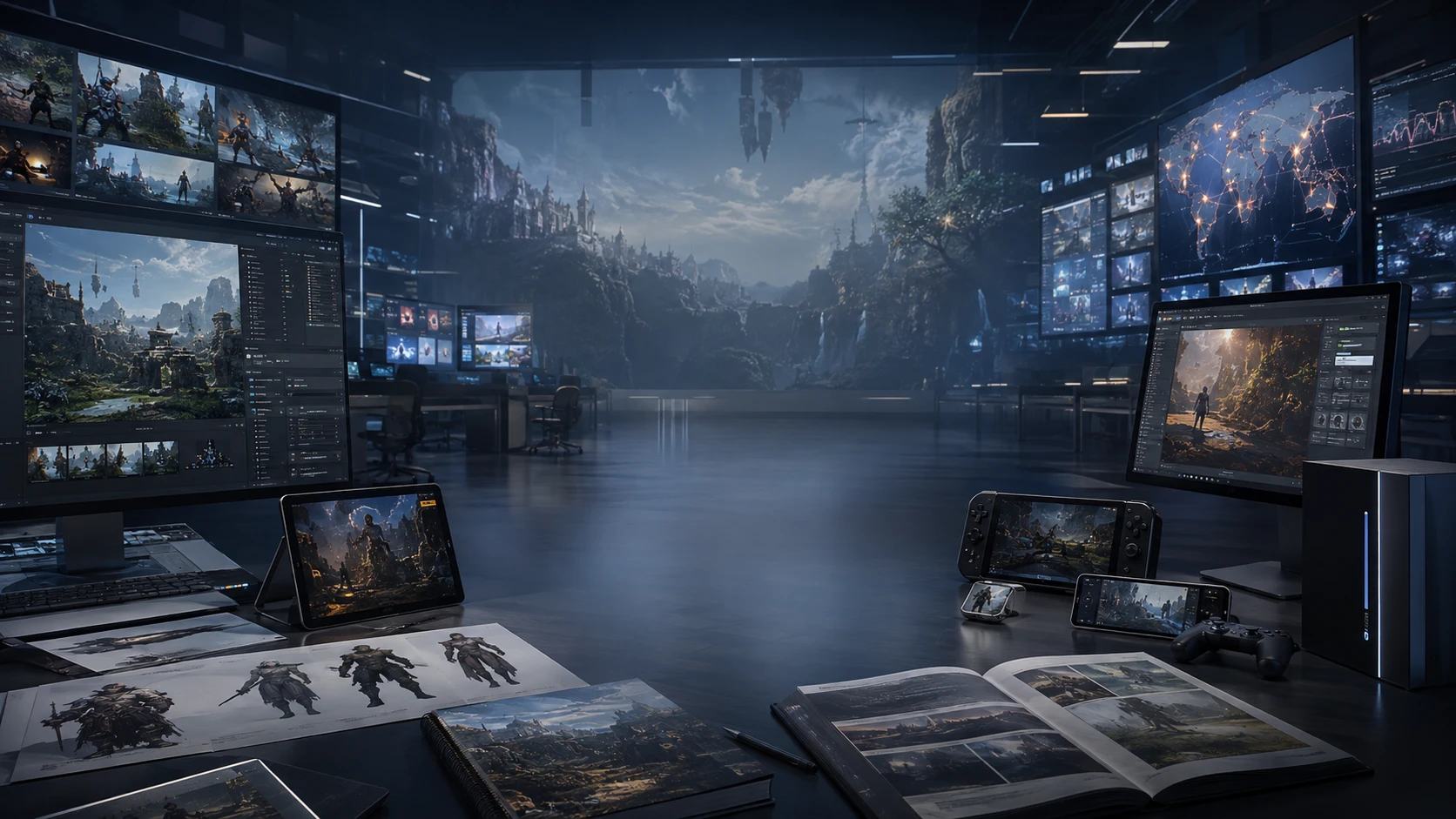
Help game developers, publishers and platforms deliver immersive multilingual player experiences across development, launch and ongoing live operations.
A line can be linguistically correct and still feel wrong inside the game. Character personality, narrative context, humor, cultural references and gameplay terminology all shape how players understand and connect with a title.
The challenge becomes even greater when language must fit menus, dialogue systems and constrained interfaces while remaining consistent across new content, events, patches and ongoing live operations.
The goal is not simply to translate game content. It is to preserve the experience players were meant to have.
Language decisions are shaped by creative, technical and player-facing context.
Dialogue and story content must make sense within quests, scenes, relationships and the wider game world.
Personality, speaking style and emotional intent need to remain recognizable across every language.
Jokes, wordplay and expressive dialogue often need creative adaptation rather than literal translation.
References, symbols and social cues need the right cultural judgment for different player communities.
Menus, buttons, inventories and interface strings must stay clear within strict space and display limits.
New characters, DLC, patches and live events must remain consistent with everything players have already experienced.
Supporting development teams as narrative, interface and player-facing content evolves from early production through release.
Helping publishers coordinate multilingual game content across regional releases, marketing channels and ongoing player communications.
Supporting fast-moving mobile titles where interface content, events, monetization features and player communications change frequently.
Supporting complex titles with extensive UI, dialogue, narrative, cinematics and interconnected player-facing content.
Keeping multilingual content aligned as games expand through patches, seasonal events, DLC and continuous content releases.
Giving smaller development teams access to professional multilingual support while preserving distinctive creative direction and game identity.
Supporting multilingual storefront, interface, community and support content across digital ecosystems serving players worldwide.
Supporting businesses creating interactive experiences that combine storytelling, digital media, gaming technology and global audiences.
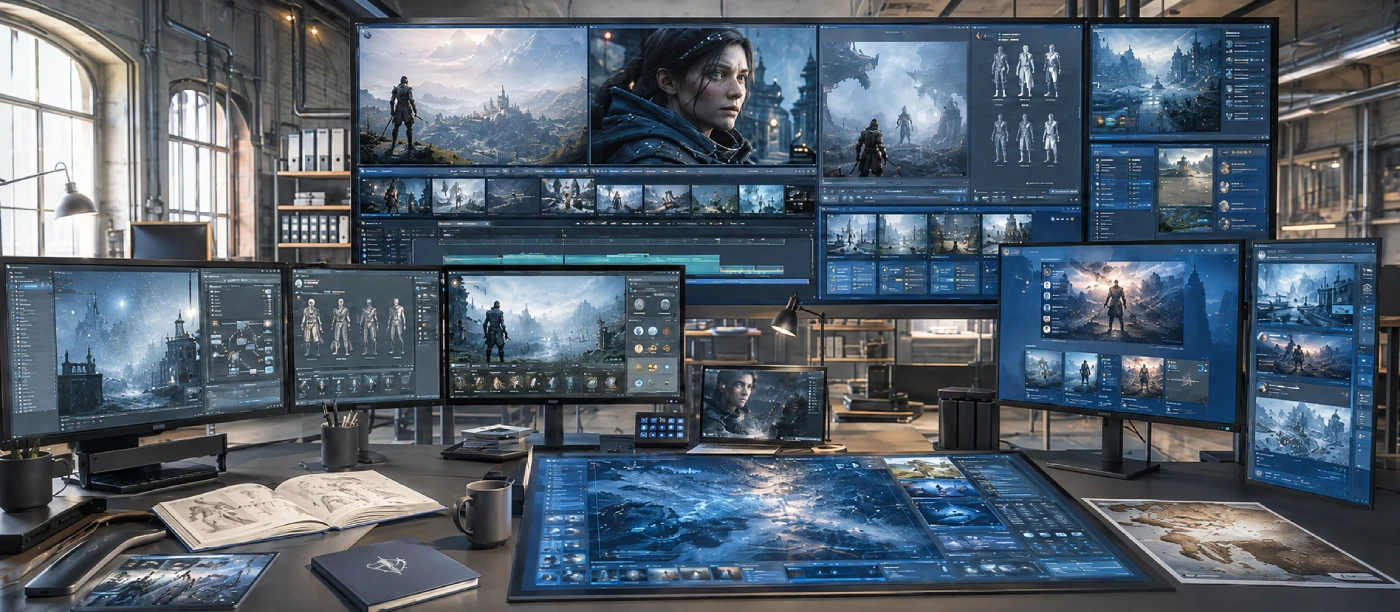
Language embedded directly into the systems and interactions players use throughout the game.
The language that gives characters personality and makes fictional worlds coherent across every player touchpoint.
Audio and visual experiences that carry story, atmosphere and game identity beyond static interface text.
Content surrounding the game that shapes discovery, community engagement and the wider player relationship.
These content areas may be produced by different teams and systems, but players experience them as one connected game world. Language, terminology and tone therefore need to remain aligned across the entire ecosystem.
Establishing the language foundations that help a game world remain understandable and consistent as production expands.
Supporting the growing volume of player-facing content created as systems, stories and game experiences take shape.
Preparing multilingual player experiences for market release while language, presentation and supporting content come together.
Bringing synchronized multilingual game and player-facing content together for release across target markets.
Extending language consistency beyond launch as games evolve through new content, events and ongoing player engagement.
Decisions made early in development can affect terminology, characters, interfaces and player communications long after launch. Maintaining continuity across stages helps every new piece of content feel like part of the same game.

The world, its characters and its narrative voice need to remain recognizable in every language.
They experience one fictional world. The names of locations, the way characters speak, the humor in a conversation and the emotional weight of a scene all contribute to how that world feels.
A translation can be technically accurate while still weakening that experience. Character voices may shift, invented terminology may become inconsistent, or creative intent may disappear when individual lines are handled without enough context.
Multilingual game content therefore needs to preserve creative relationships—not simply individual words.
Worldbuilding creates the rules players learn to trust. Locations, factions, items, abilities and invented terminology need stable names and relationships wherever they appear.
The same character should still feel like the same person across languages. Personality, status, relationships, background and emotional intent all influence how dialogue should sound.
Humor, tension, warmth, sarcasm and dramatic intent often cannot be reproduced literally. The language needs to create the intended effect for players in each market.
When these layers remain connected, every language can feel like an authentic version of the same game world rather than a separate interpretation of it.
A player may see only a button label, dialogue line, item name or quest objective. But the language behind that content can depend on technical rules that are invisible during translation.
Character limits, variables, branching logic, grammar rules and runtime context can all determine whether a string works correctly once it appears inside the actual game.
Text expansion can cause buttons, menus and interface labels to wrap, clip or exceed the space available in the original design.
Grammar may change according to speaker gender, quantities, relationships or values generated dynamically during gameplay.
Player names, quantities, statistics and item information may be inserted automatically and must remain functional in every language.
Meaning may depend on previous decisions, quest states or alternate story paths even when individual strings are supplied separately.
Signs, maps, illustrations and interface graphics can contain player-facing language that exists outside standard string files.
Short strings can have different meanings depending on where, when and under which gameplay conditions they appear.
Game language cannot always be evaluated from isolated strings alone. Understanding how content behaves inside the build helps protect both linguistic quality and the player experience.
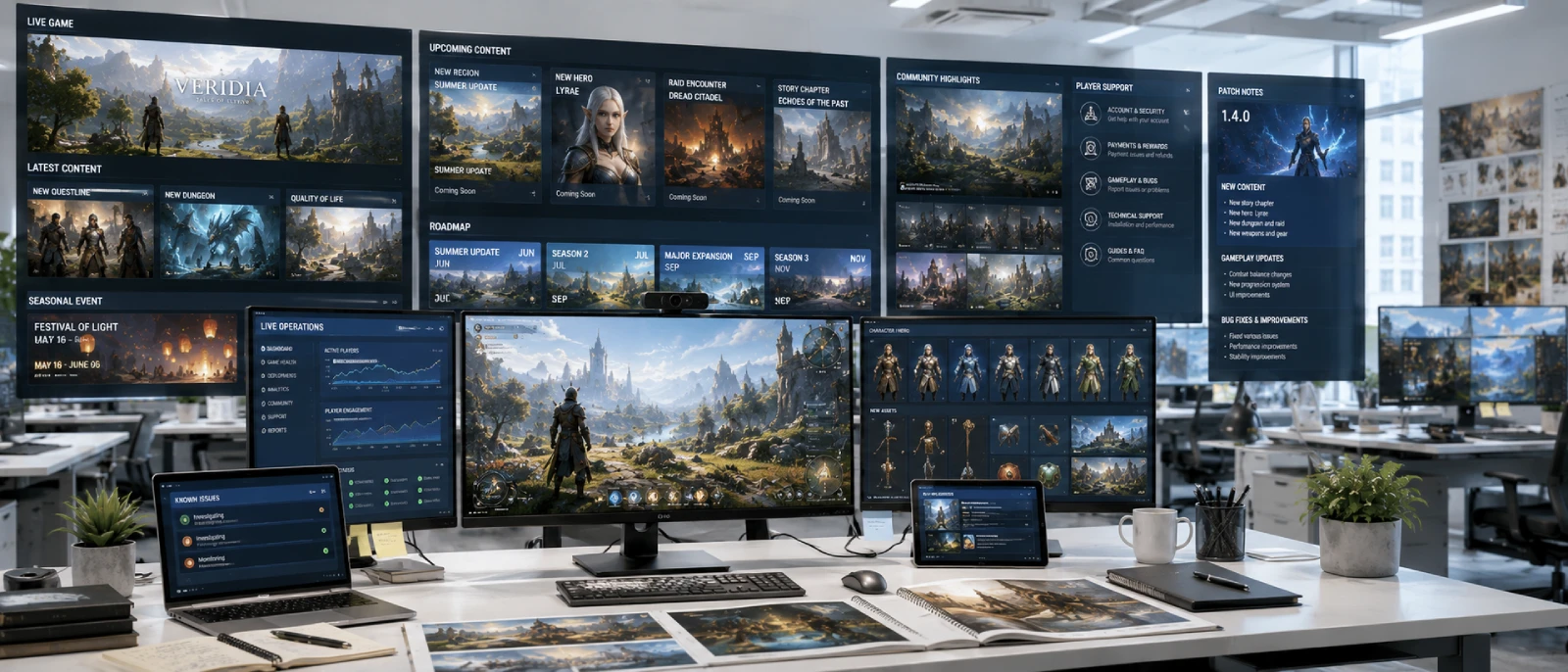
Live-service titles continue to generate multilingual content through patches, DLC, new characters, seasonal events, community communications and player support. Every release needs to remain connected to the game players already know.
New features and gameplay content need to extend the existing multilingual experience without introducing inconsistent terminology, character references or interface language.
Seasonal campaigns and limited-time experiences often bring together narrative, UI, rewards and promotional content under tight release schedules.
Players expect timely and natural communication around updates, events and changes. Community-facing language becomes part of the wider relationship between the game and its audience.
Help content also needs to evolve as systems, features and gameplay change, so players can find accurate information throughout the product lifecycle.
The more frequently a game changes, the more important it becomes to maintain continuity across terminology, characters, interfaces, communications and supporting content.
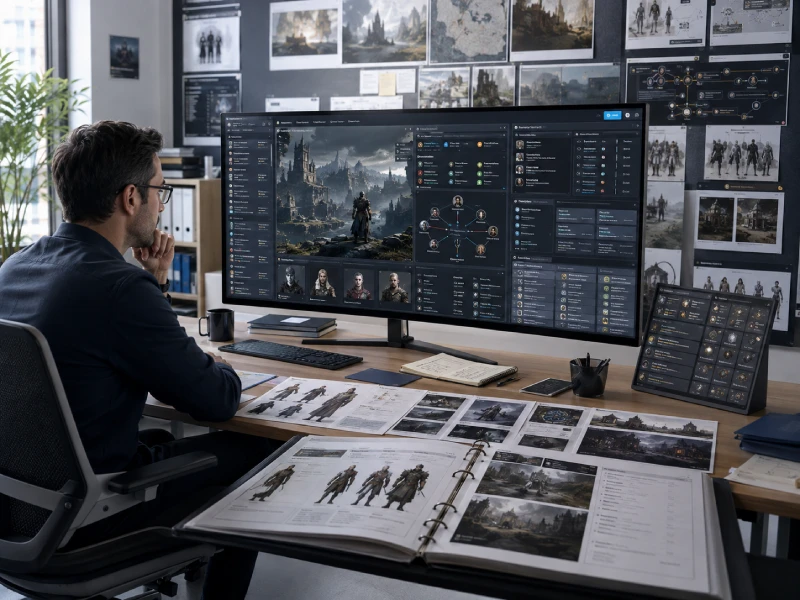
Gaming content combines genre conventions, fictional terminology, character voice, interface constraints and player expectations. Linguists therefore need enough game context to understand not only what a string means, but how it should feel and function when players encounter it.
Genre conventions, gameplay systems and familiar player terminology influence what sounds natural inside different types of games.
Dialogue, humor and interface language need judgment about tone, register and creative intent rather than mechanically reproducing the structure of the source.
Character names, locations, factions, abilities, items and invented terminology need to remain consistent as content expands across systems and releases.
Reviewing language alongside game context helps reveal meaning, character relationships and interface issues that isolated strings may not make obvious.
The strongest multilingual game experiences come from combining language expertise with enough gaming knowledge to understand why content works—not just what the source text says.
Support for in-game text, interfaces, dialogue, narrative and player-facing content across multilingual game releases.
Multilingual voice production for character dialogue, narrative audio, promotional game content and other spoken experiences.
Subtitles for cinematics, trailers, promotional videos and game-related audiovisual content across international audiences.
Structured transcripts for recorded dialogue, production media, interviews, gameplay content and other audio or video sources.
Coordinated localization of video, audio, subtitles and visual elements when gaming content combines multiple media formats.
Multilingual formatting and layout support for manuals, promotional materials, guides and other designed gaming content.
Gaming projects often combine several content types at once. Textsprime capabilities can support individual requirements or work together across broader multilingual game content programs.
Game content is handled with awareness of genres, gameplay conventions, player terminology and the way language functions inside interactive experiences.
Lore, character voice, relationships and creative terminology stay connected so multilingual versions continue to feel like the same game world.
Language decisions consider where content appears, who is speaking, what players are doing and how strings behave inside the game—not just isolated source text.
Support can extend beyond launch as games grow through patches, DLC, new characters, seasonal events and recurring player-facing updates.
Text, dialogue, subtitles, audio, video and designed materials can be supported across connected multilingual content requirements.
Game teams can coordinate multilingual content for established markets and expanding player communities without building separate workflows for every target language.
From early game content to global release and ongoing live operations, the goal is to keep language quality, creative intent and production continuity working together.
Yes. Gaming projects can vary significantly in scale, content volume and release cadence. Support can be structured around focused indie titles as well as larger multilingual programs involving multiple content types, markets and ongoing releases.
Yes. Narrative-heavy projects require attention to character voice, relationships, lore, humor, emotional intent and the wider story context. The objective is to preserve character identity and creative continuity rather than treating dialogue as isolated lines.
Terminology needs to be treated as part of the evolving game world. Character names, locations, factions, items, abilities and invented terms should remain aligned as new patches, DLC, events and other content are added after launch.
Yes. Game strings frequently contain variables, placeholders and dynamically generated values. These elements need to remain intact while the surrounding language accounts for grammar, word order, quantities and other language-specific requirements.
Yes. Live-service games continue producing content long after launch, including patches, seasonal events, DLC, new characters, community updates and support materials. Multilingual content can therefore be managed as an ongoing program rather than a one-time release.
Yes. A game can involve interface strings, narrative dialogue, cinematics, audio, trailers, storefront content and player communications at the same time. Connected support helps terminology, tone and product identity remain consistent across these touchpoints.
Isolated strings can hide who is speaking, where text appears or which gameplay state determines its meaning. Contextual references such as character information, screenshots, string notes, terminology and in-game placement can help reduce ambiguity and support better language decisions.
Depending on the project, relevant capabilities can include video game localization, voice over, subtitling, transcription, multimedia localization and desktop publishing. These can support individual content requirements or work together across a broader multilingual gaming program.