
01
Rapid Product Releases
Product launches and release cycles can leave very little time to prepare content consistently for multiple markets.

Help software, SaaS, hardware and technology companies deliver clear, consistent multilingual product experiences across global markets and every stage of the product lifecycle.
Technology companies create and update content at a pace few other industries experience. New products, features, interfaces, documentation and customer resources may all evolve simultaneously, often across multiple teams and markets.
As this content expands globally, small inconsistencies can quickly multiply. Terminology can drift between teams, interface text can lose context, and product updates may reach different markets at different times. Keeping multilingual content aligned requires a content approach built for continuous change.
Product launches and release cycles can leave very little time to prepare content consistently for multiple markets.
Features, documentation, support resources and product messaging can change continuously throughout the product lifecycle.
Interface content must remain clear and usable even when different languages require more or less space than the source text.
Product names, technical concepts and specialist terminology need to remain accurate and consistent across every customer touchpoint.
Product, engineering, documentation, marketing and support teams often create related content through separate workflows.
International releases require content across languages and channels to be ready when the product reaches each target market.
Supporting global software companies with multilingual product content across interfaces, documentation, onboarding and customer-facing resources.
Helping cloud, infrastructure and cybersecurity businesses communicate complex products, platforms and technical concepts across global markets.
Supporting fast-evolving AI companies with consistent multilingual content for products, technical materials, education and market expansion.
Connecting technical product information, digital experiences and customer resources across international hardware and electronics markets.
Supporting specialist content for semiconductor, component and embedded technology companies operating across complex international supply chains.
Helping infrastructure providers maintain clear and consistent content across platforms, technical documentation and enterprise customer resources.
Supporting multilingual digital experiences across mobile applications, web platforms, onboarding journeys and continuously updated interfaces.
Helping innovative technology businesses prepare evolving products and content for customers, partners and users in new international markets.
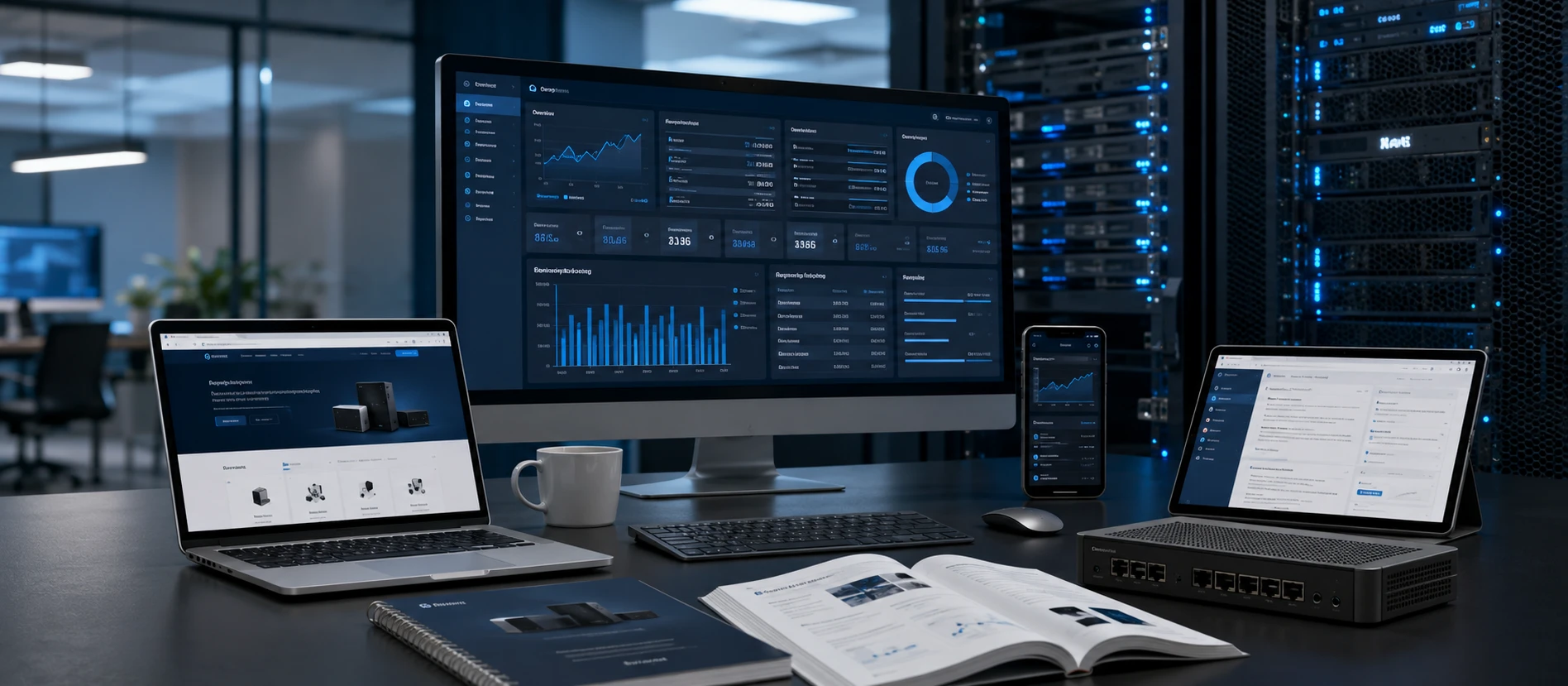
Product content evolves across interfaces, documentation, customer education and support throughout every stage of global growth.
Core product content begins with the interface, technical references and developer-facing materials that shape how the technology works and is understood.
Product launches bring together customer-facing content across websites, onboarding experiences, release communications and go-to-market materials.
As customers begin using the product, clear multilingual learning and self-service content becomes essential to successful adoption.
Technology products continue changing after launch, creating an ongoing need to keep customer content aligned with new features, fixes and product versions.
Multilingual content is not a one-time launch task. It follows the technology product as it is built, introduced, adopted and continuously improved.
Customer-facing product language needs to remain clear, concise and consistent across interfaces, platforms and digital experiences.
Technical materials need accurate terminology and enough subject context to communicate complex products to users and developers.
Adoption depends on customers being able to learn, troubleshoot and find the information they need throughout the product journey.
Product positioning and release communications need to remain aligned with the product itself as technology companies expand internationally.
Technology content is highly interconnected. A short interface string, terminology choice or outdated support article may appear minor in isolation, but the same issue can quickly spread across products, documentation and customer touchpoints.
Multilingual content becomes especially difficult when source material lacks context, changes frequently or is managed by different teams. What begins as a language inconsistency can ultimately affect usability, support and customer trust.
Short interface strings may have several possible meanings. Without information about where and how they appear, the intended meaning can easily be lost.
Dynamic values, code fragments and placeholders must remain intact while the surrounding language still reads naturally for the end user.
Translated interface text may become significantly longer than the source, creating problems in buttons, menus, navigation and other space-limited UI elements.
The same feature, function or technical concept may gradually acquire different names across software, documentation, marketing and support content.
Product updates can move faster than localized documentation, leaving users with instructions or terminology that no longer match the current product experience.
When product, engineering, marketing and support teams maintain content separately, inconsistent source material can multiply across every target language.

Technology companies rarely work toward a single fixed launch. Features are released, documentation changes, product messaging evolves and support content responds continuously to how customers use the technology.
Multilingual content needs to fit into that operating rhythm rather than become a separate step at the end. Product, documentation, marketing and support teams should be able to move content toward global markets without creating another bottleneck.
Centralized terminology, content coordination and professional review help changing materials remain consistent as they move across languages and product touchpoints.
Product experiences, documentation and customer-facing content can stay aligned as new versions reach different regions.
A scalable multilingual workflow helps technology teams keep international customers aligned with the latest product experience, documentation and support content.
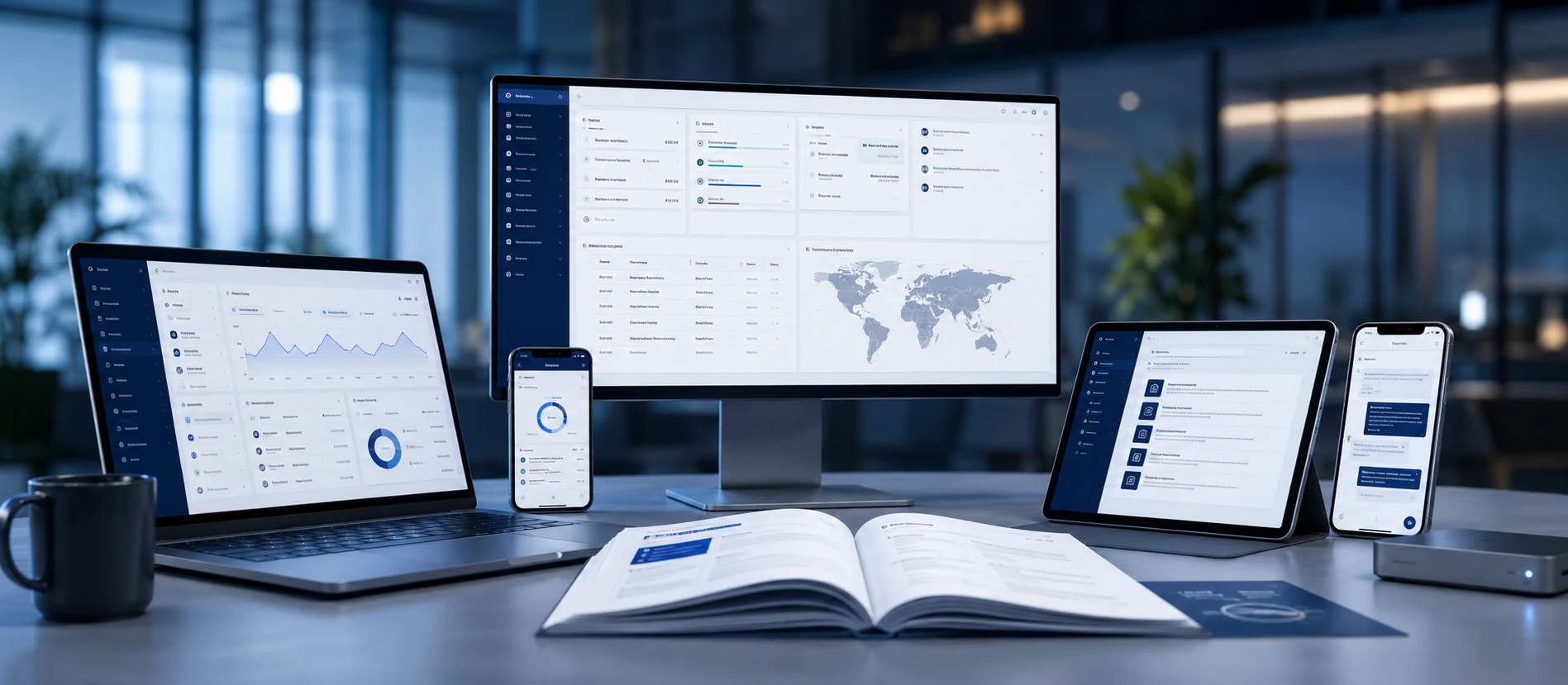
Users should encounter the same product names, interface terminology and core concepts wherever they interact with the technology.
Documentation and customer education should reinforce the language already used inside the product rather than introduce competing terms.
Help and support content should match the terminology customers see on screen so they can find answers quickly and confidently.
Technology language often carries meaning that depends on the product, platform or technical environment around it. Software functions, infrastructure concepts, engineering terminology and developer-facing content all require more than a literal understanding of the source text.
Effective multilingual technology content combines strong linguistic expertise with familiarity with the subject matter, disciplined terminology and professional review of how the final content will be understood by its intended users.
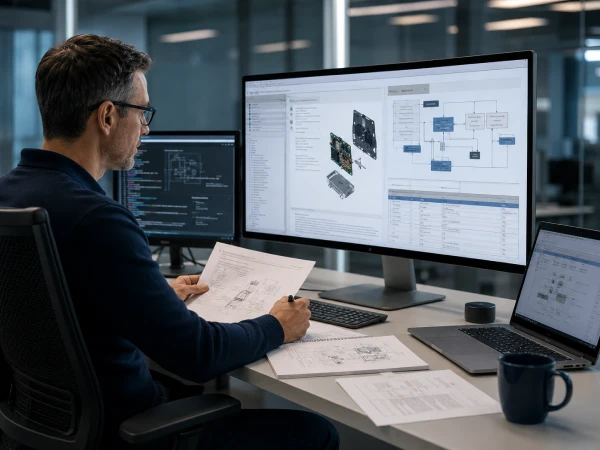
Technical terminology needs to be interpreted within the product and industry environment in which it is actually used.
Product names, interface terms and technical concepts should remain aligned across software, documentation, marketing and support.
Professional review helps confirm that technical language is accurate, natural and appropriate for the intended users and communication channel.
Combining language expertise with technical familiarity helps technology companies communicate complex products clearly and consistently across international markets.
For multilingual software interfaces, applications and digital products that need to work naturally across languages and markets.
For global websites and digital experiences that need to communicate clearly while remaining consistent with the wider technology brand.
For specialist software, IT, engineering and technology content where terminology, technical meaning and subject context matter.
For multilingual user manuals, product documentation and guidance that help customers understand and use complex technology products.
For product videos, training materials and digital media that support product education, onboarding and customer communication worldwide.
For complex multilingual technical layouts where translated content, graphics and document structure need to remain clear and professional.
Technology content often depends on product, software and technical context. Our approach is designed for content where terminology and subject understanding directly affect clarity.
Product names, interface language and technical terminology should remain aligned across software, documentation, websites, training and customer support.
Technology products rarely stop changing. Multilingual workflows can support recurring releases, new features and continuously updated customer-facing content.
Technology companies work across many types of content. We support multilingual needs spanning software, documentation, digital channels and multimedia materials.
Human review helps identify issues that depend on technical meaning, product context, terminology, readability and the way customers actually experience the content.
Multilingual content can be coordinated across target markets while keeping product terminology, customer experience and technical meaning aligned between languages.
Textsprime helps connect language quality, technical context and content consistency across the product experiences technology companies deliver worldwide.
We support technology businesses across areas such as SaaS and enterprise software, cloud and cybersecurity, AI and machine learning, hardware and electronics, semiconductors, IT infrastructure, mobile and web applications, and emerging technology.
Yes. Technology content often changes continuously as new features, interfaces, documentation and support resources are released. Multilingual workflows can be structured around recurring updates so global content remains connected to ongoing product development rather than being treated as a one-time project.
Terminology should be managed consistently across product interfaces, documentation, websites, marketing and support content. Approved terminology, product naming conventions and review processes help reduce terminology drift as products and content evolve.
Yes. Software content may contain dynamic values, variables, placeholders and other structured elements that must remain intact. Context is also important because short interface strings can have different meanings depending on where and how they appear inside the product.
Yes. Technology content can include software documentation, developer materials, technical references, user guides, product specifications and hardware-related materials. The appropriate language expertise depends on the technical subject matter and the audience using the content.
Yes. A technology customer may encounter the same product through a website, application interface, onboarding content, documentation, knowledge base and support channel. Keeping language and terminology aligned across these touchpoints helps create a more consistent global product experience.
Technology projects may involve unreleased products, internal documentation, technical specifications and other sensitive materials. Project workflows can be structured around appropriate confidentiality, controlled access and secure handling requirements according to the needs of the engagement.
Common requirements include software localization, website localization, technical translation, manual translation, multimedia localization and multilingual desktop publishing. The right combination depends on the product, content ecosystem, target markets and how frequently the content changes.